Your Village Awaits
Where parents connect with real childcare support—funding, resources, and encouragement. You don’t have to do this alone; our community stands beside you.

Financial Support Options
SNCS is proud to offer financial assistance programs to Sierra and Nevada County residents. These programs are designed to help income-eligible families cover the expenses associated with child care and development services. Funding is provided through a combination of federal, state, and local agencies. When funding allows, SNCS will open enrollment to new families based on our Childcare Eligibility List (CEL).

Types
Of
Child
Care
-
May be licensed for up to 8 (for a small FCCH) or 14 (for a large FCCH) children, depending on the license.
-
Is a program where care is provided in the licensee’s home.
-
Is licensed, along with the child care provider, by the California Department of Social Services, Community Care Licensing Division (CCL).
Each Family Child Care Home...
-
Has health and safety requirements that must be maintained and which are monitored by CCL.
-
Must maintain specific adult-to-child ratios.
-
Is required to have the licensee certified in EMSA approved CPR/First Aid and Preventive Health and Safety Practices. In large family child care homes, any additional staff that may be left alone with the children must also complete EMSA approved CPR/First Aid and Preventive Health and Safety Practices.
-
Is required to have the provider, as well as anyone who lives in the home and is over 18 years of age, tested for TB, fingerprinted with a criminal background check, and cleared in the California Child Abuse Index.
-
-
Can be found in public/private schools, religious facilities, or a building owned/leased by the provider.
-
Is issued a license for a specific capacity (the maximum number of children that can be cared for at any one time).
-
Can be licensed for varying ages of children from infancy to school age with a separate license issued for each age component.
Each Child Care Center:
-
Is licensed by the State of California and has health and safety requirements that must be maintained by the provider and monitored by CCL.
-
Is required to maintain specific adult-to-child ratios.
-
Is required to have at least one director or teacher at the center who has been trained in Preventive Health and Safety Practices, including EMSA approved CPR/First Aid.
-
Must have a staff member with certification in EMSA approved CPR/First Aid and Preventive Health and Safety Practices present at all times.
-
Must employ staff that meet the specific educational requirements for each position.
-
State preschool programs are part-day comprehensive developmental programs for 3 to 5 year old children from low-income families. The programs emphasize parent education and encourage parent involvement.
The Budget Act of 1997 allowed state preschool program contractors the opportunity to extend their half-day programs to full-day programs with certain restrictions. Some current state preschool providers chose this wrap-around of their existing half-day programs to provide families with the extended services parents needed to maintain employment, meet work participation requirements, or participate in education or job training. Agencies providing full-day services continue to operate in a half-day mode as a state preschool program, but must follow general child care rules and regulations for the remainder of the program day.
Head Start is a US Department of Health and Human Services program designed to support low-income families through child care centers and schools in their local community, by providing services for the comprehensive development and promotion of school readiness to young children ages 3 to 5 years old. Head Start services include early learning, health, nutrition, and family well-being.
Early Head Start programs support low income families with pregnant women, infants, and children up to age 3 years old, by providing comprehensive services and high-quality early learning environments in child care centers and schools.
-
Is when a license is not required by the State of California.
-
Can include child care programs in a school district (on the school’s site), cooperative care (parents rotate care but no money is exchanged), and temporary on-site child care (conference, activity, special events).
-
Also includes relatives or TrustLine registered providers.
-
Some license exempt providers can only care for the children of only one family (and their own children if appropriate).
-
If a family receiving state assistance for child care through Sierra Nevada Children’s Services chooses a license exempt provider other than a relative, that provider is required to be TrustLine registered and to complete EMSA approved CPR/First Aid.
-
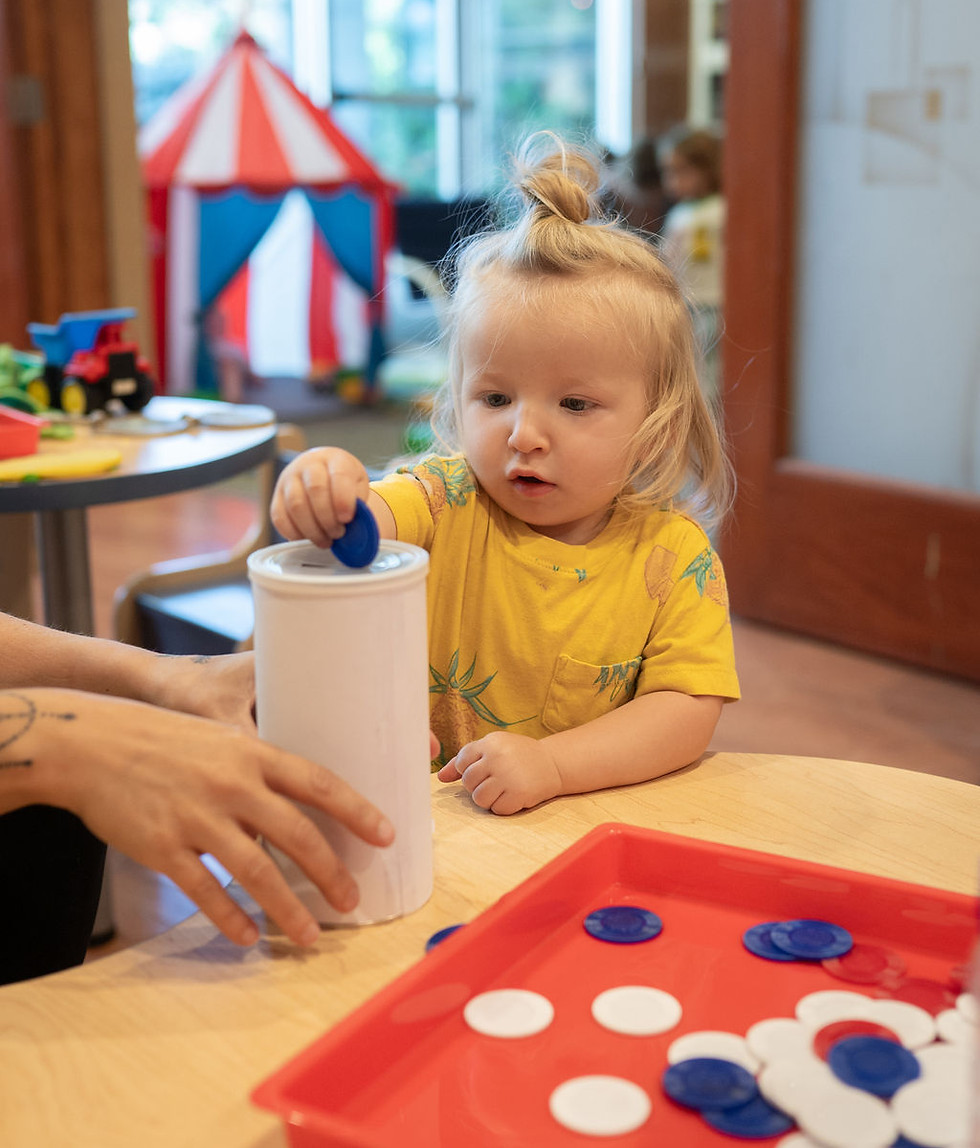
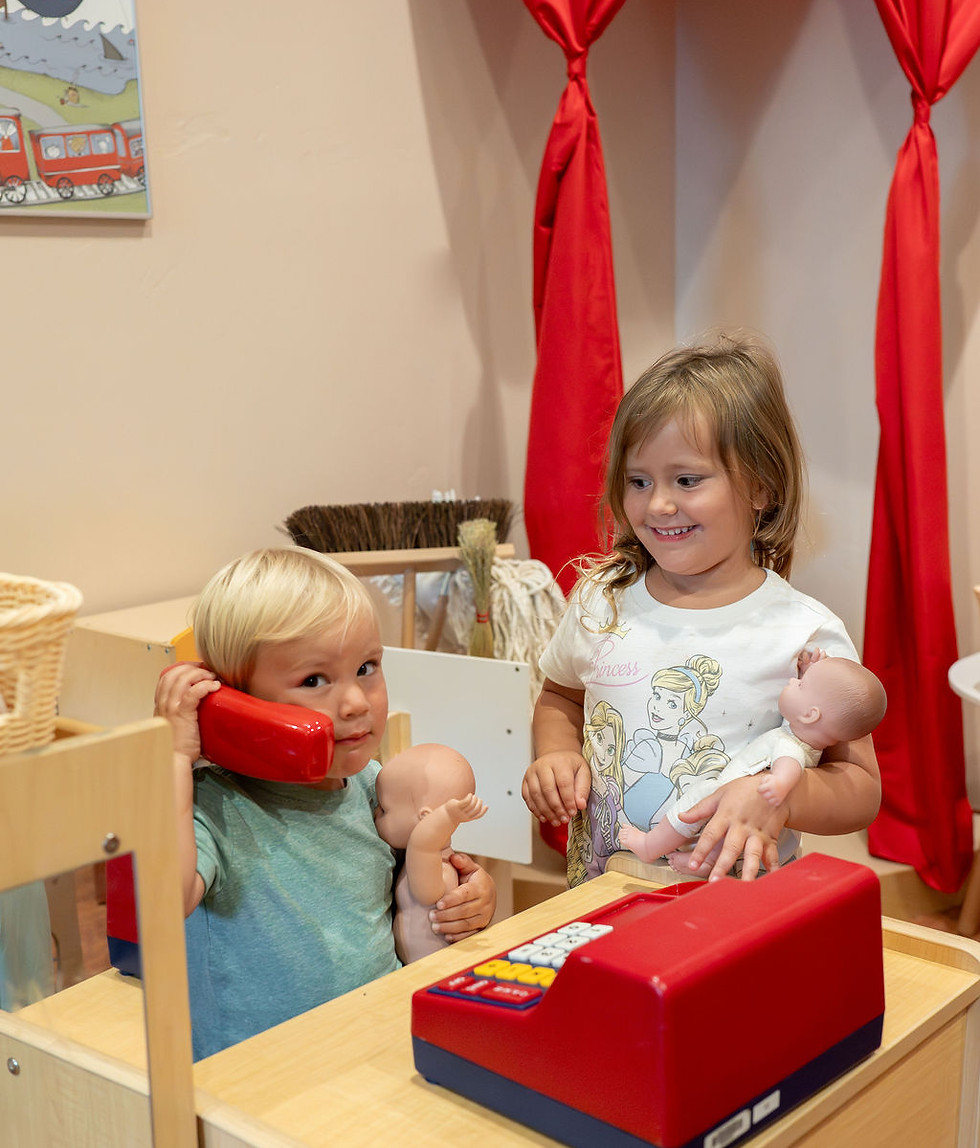
Weekly Playgroups for Kids + Caregivers
Lending Library
For parents, becoming a member of our Lending Library is easy, just stop by our offices and fill out an info card.
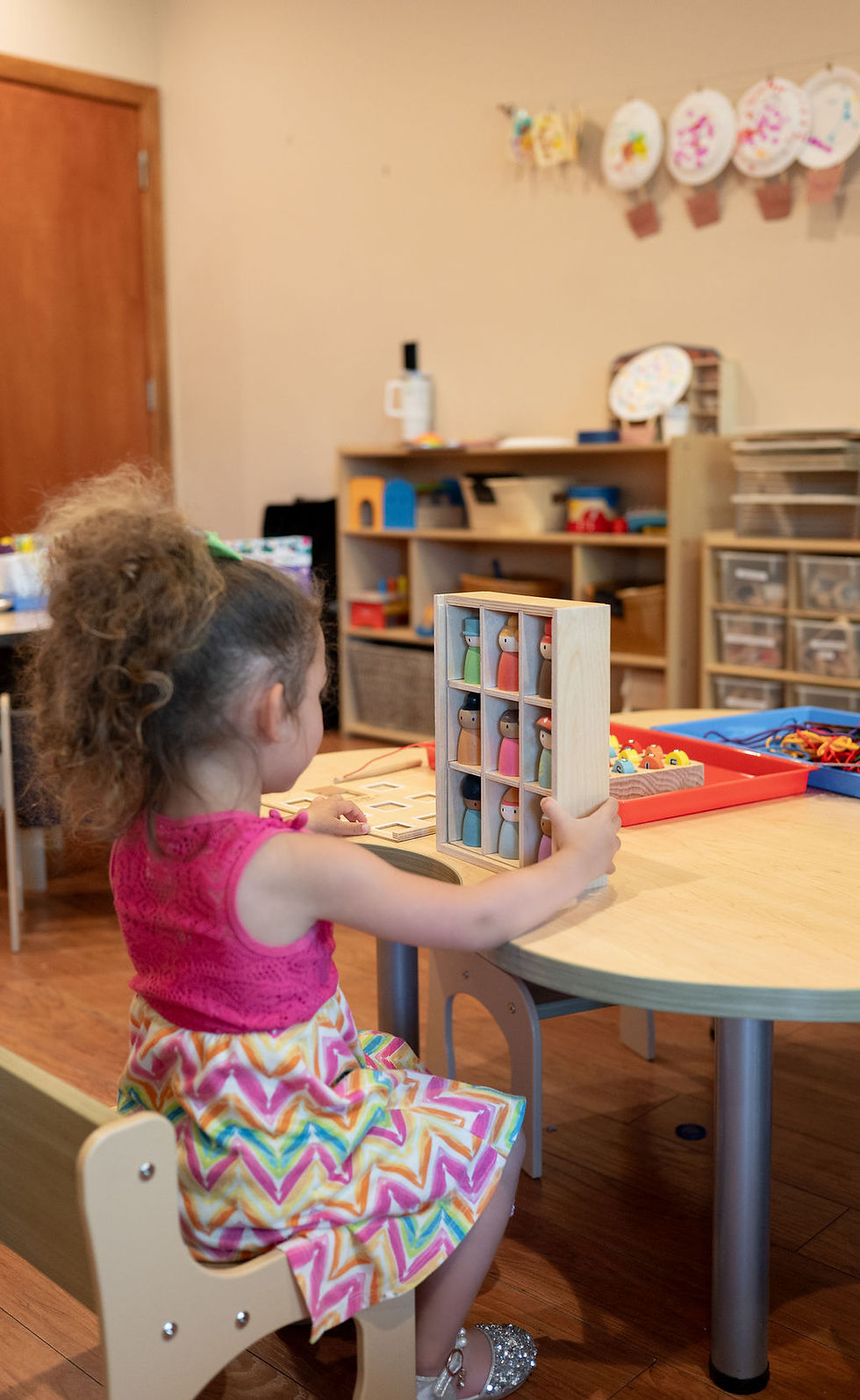
For providers, SNCS is bringing the resources of their Lending Library to area child care providers who are members of the Family Child Care Home Education Network (FCCHEN). The developmentally appropriate materials will be aligned to the California Preschool Learning Foundations with rotating themes such as: language and literacy, math, music and movement, nature, science and technology.

Parents and providers can borrow a variety of developmentally appropriate toys and materials for infants, toddlers, preschoolers, school age children, and children with special need.
We maintain a variety of resources on educational and parenting topics. Child care providers and professionals may use these materials at their Family Child Care Home, School or Center.
You may then check out items for two weeks at a time, with the possibility of extending that time if the item(s) is/are not requested and reserved by others.