
The Learning Center
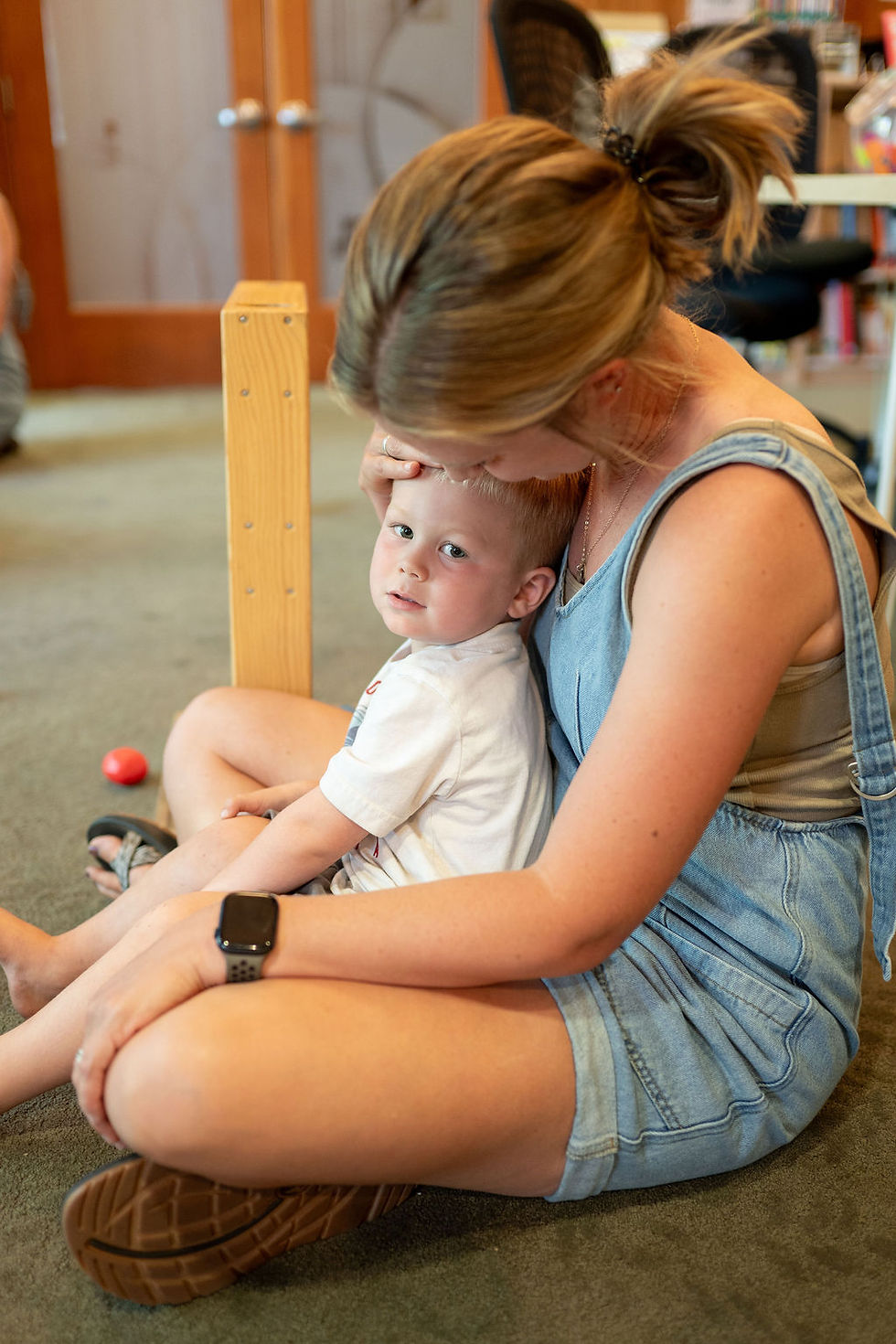
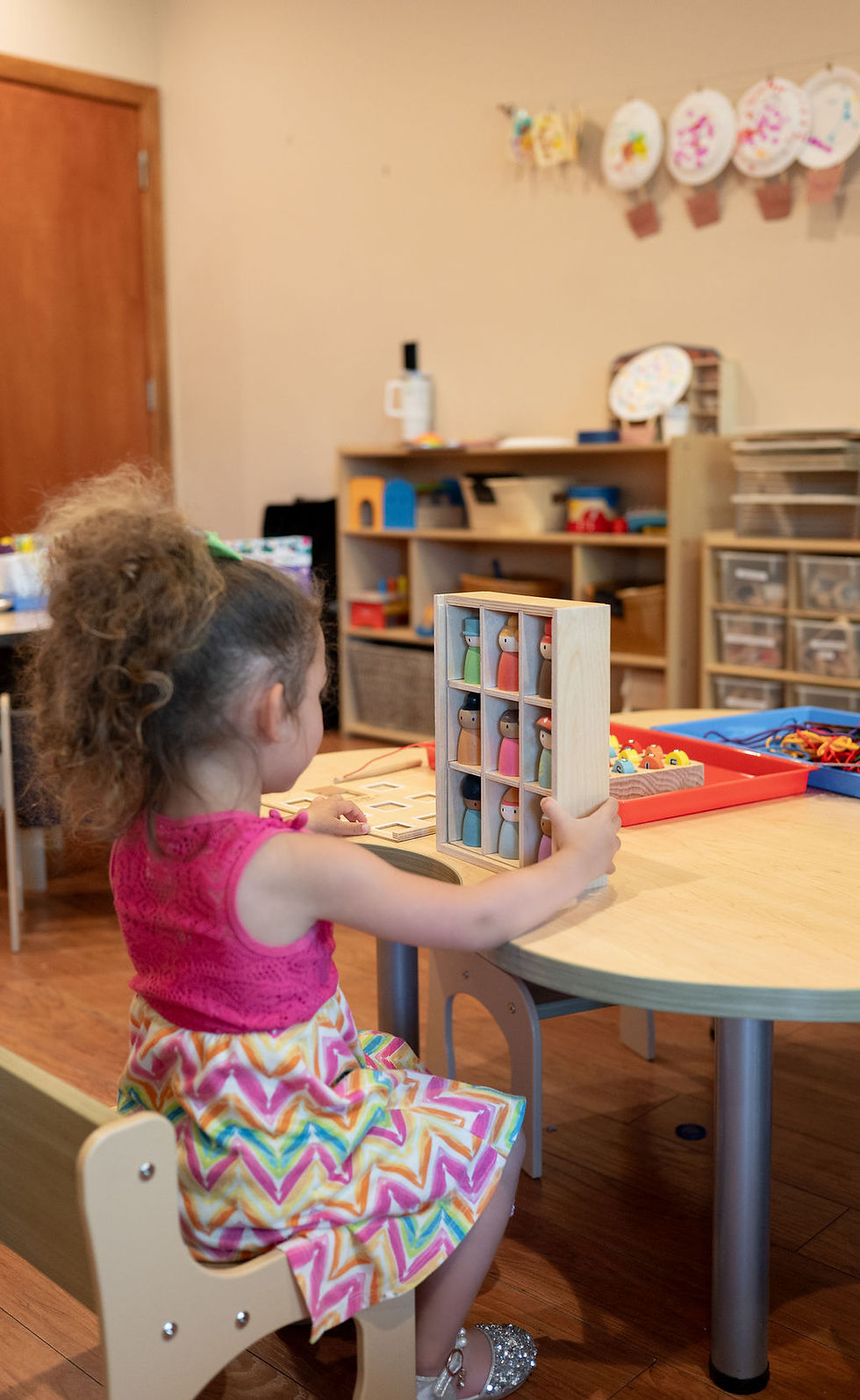
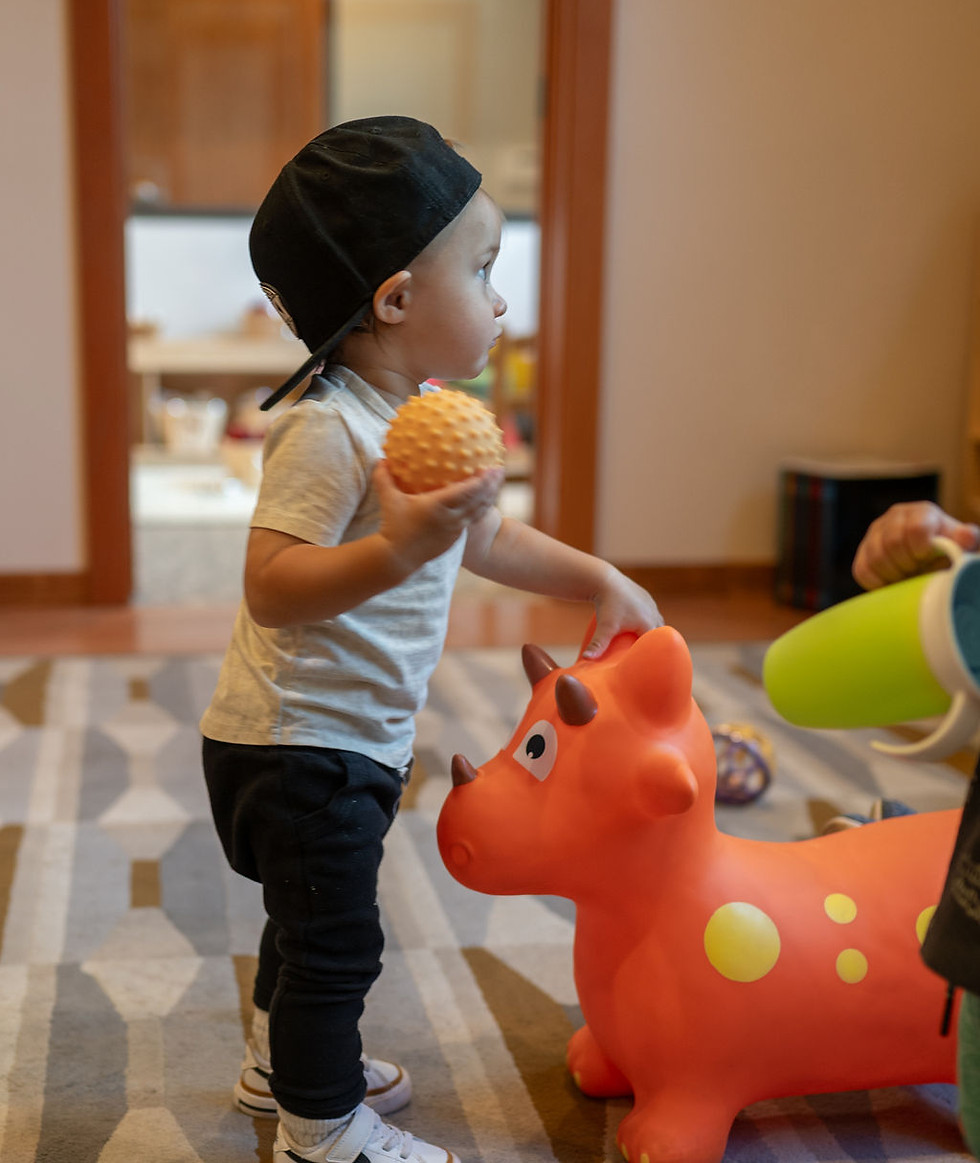
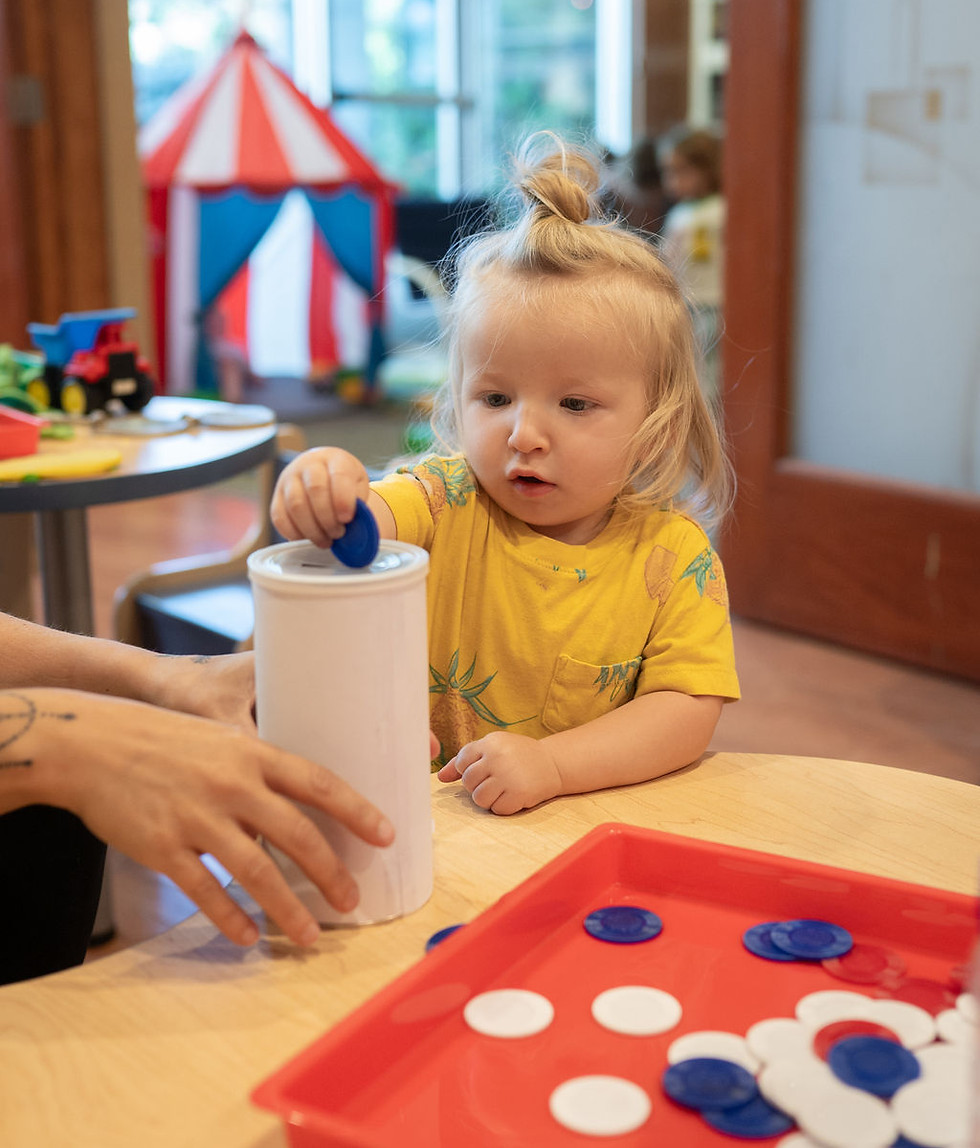
The Learning Center’s Resource Library and Play Space offer toys, materials, and educational resources for families and child care providers where parents and caregivers can connect with their community.
Membership is easy—just fill out a quick card. Checkouts last two weeks, with extensions available. Lending Libraries are also offered in Truckee and Loyalton; call for availability.

Play Space
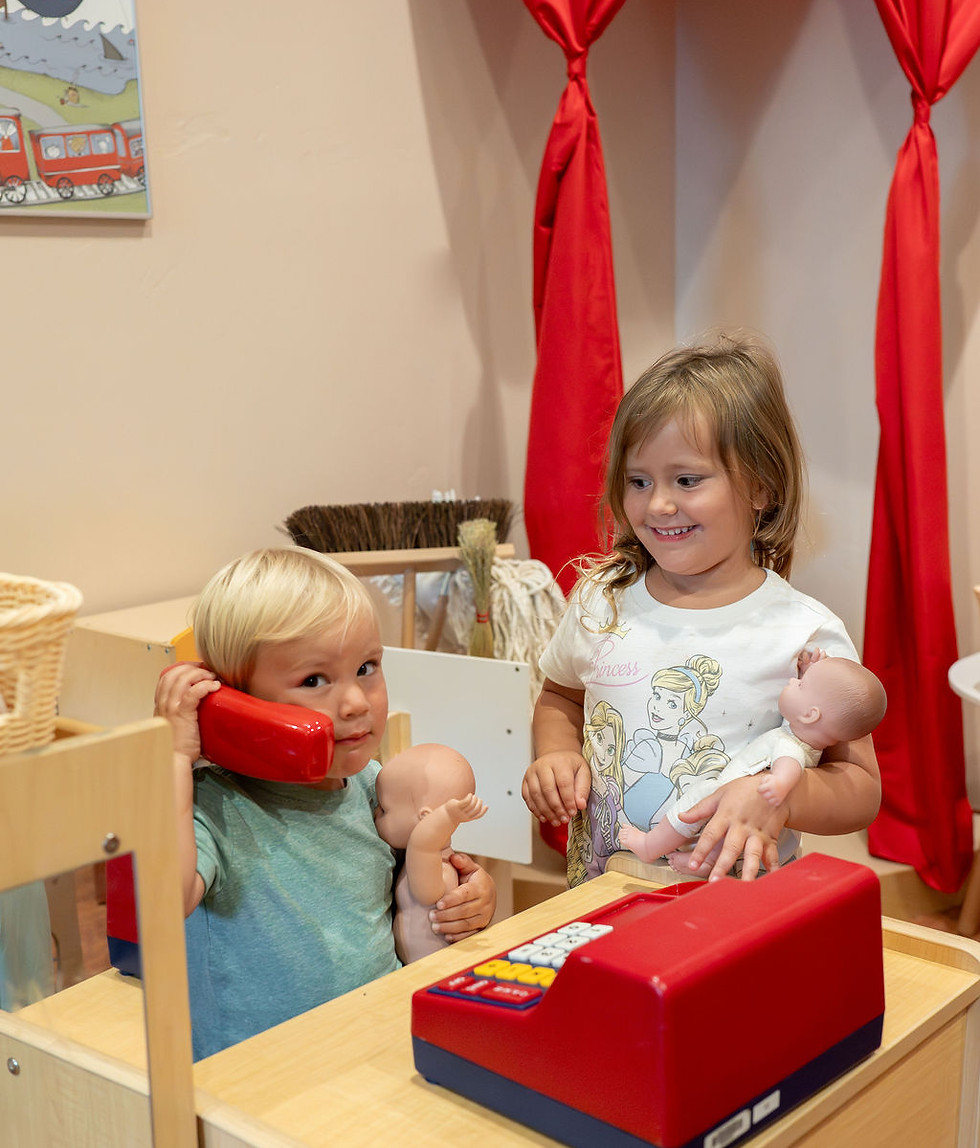
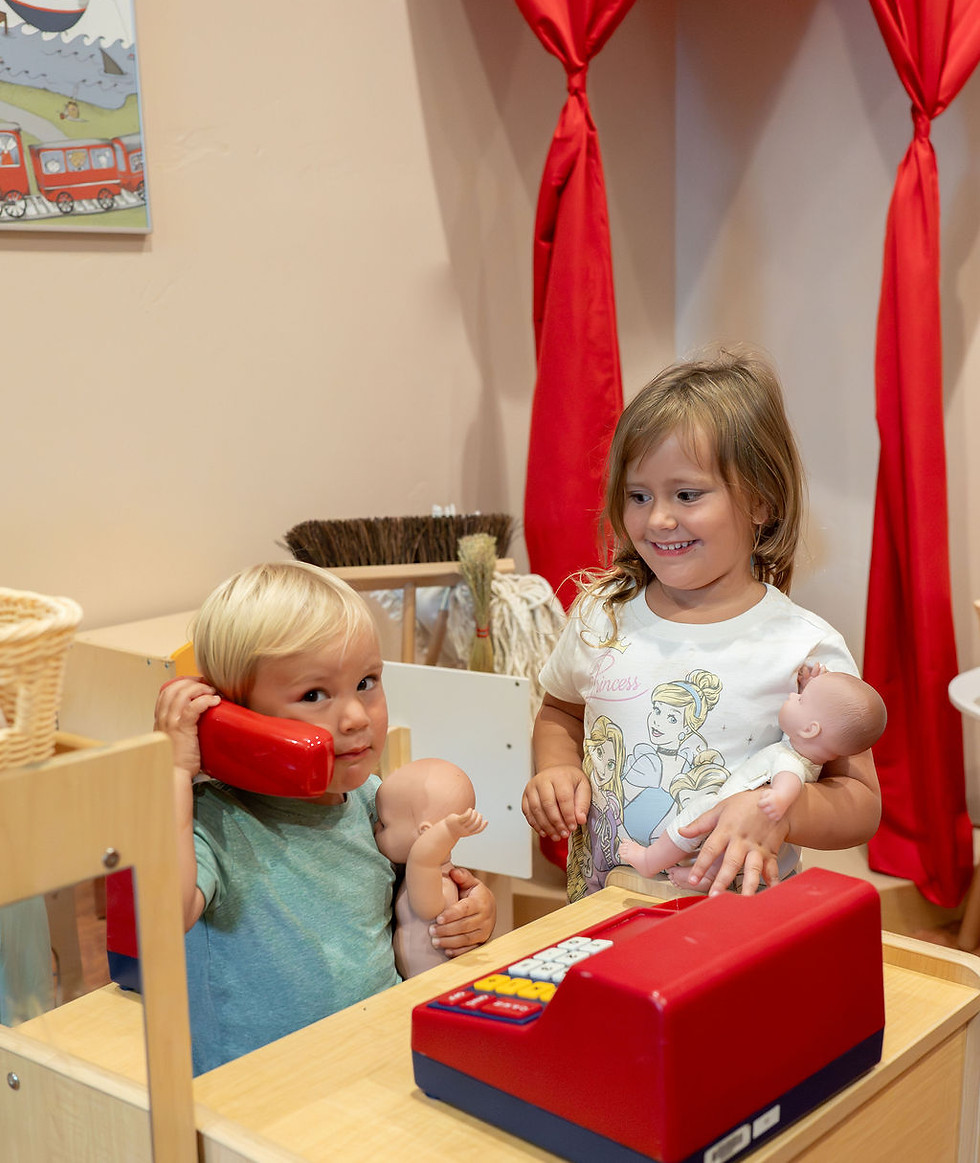
An enriching play space with a stage, costumes and creative play areas.
Lending Library
Offering curriculum, music, books, toys and games available for check out.
Financial Support Options
SNCS is proud to offer financial assistance programs to Sierra and Nevada County residents. These programs are designed to help income-eligible families cover the expenses associated with child care and development services. Funding is provided through a combination of federal, state, and local agencies. When funding allows, SNCS will open enrollment to new families based on our Childcare Eligibility List (CEL).

Subsidy Programs | Description | Funding |
|---|---|---|
CalWORKS Stage 1 | Child Care Referral must be received from CalWORKS | Nevada and Sierra Counties and California Department of Social Services (CDSS) |
CalWORKS Stages 2 & 3 | Child Care Referral must be received from CalWORKS | California Department of Social Services (CDSS), Federal, Early Education & Support Division (EESD) |
Alternative Payment Program (CAPP) | Families may choose from child care options such as Family Child Care Homes and Child Care Centers, TrustLine child care providers, or Relative Care child care providers or other license-exempt providers | California Department of Social Services (CDSS), Federal, Early Education & Support Division (EESD) |
Family Child Care Home (FCCHEN) “NetworkLicensed Family Child Care Home (FCCH)” | Families must select a participating Network provider. Support, training, and education are available to both parents and providers in the program | California Department of Social Services (CDSS), Federal, Early Education & Support Division (EESD) |
Emergency Foster Bridge | The Emergency Foster Bridge Program is a time‑limited, referral‑based program to help foster families secure immediate, quality, and affordable child care when a child is placed in their care. | Nevada County and CA Department of Social Services |
SNCS Playgroups Kids + Caregivers


SNCS FAQ's
When you call us for referrals, we will provide the most current and up-to-date information on licensed child care providers in our community. The majority of child care centers and all family child care homes are licensed by the California Department of Social Services (DSS) Community Care Licensing division. License-Exempt programs are exempt from licensing regulations. Some examples of License-Exempt programs include:
-
A provider who cares only for his/her relatives
-
A provider who only cares for the children of one other family (other than the provider’s own children)
-
Public recreation programs
-
Before- and after-school programs run by schools
-
Accredited programs undergo a rigorous process measuring the program against national standards on childhood education, health and safety. For most programs, it is a voluntary process. The Accreditation Status is the level of quality whereby the service provider demonstrates the capacity, commitment and competence to support high-quality learning and ongoing program improvement.
For more information about accreditation associations and their website addresses go to CDE Accreditation
The Child Care Licensing Program of California’s Community Care Licensing Division licenses and monitors both Child Care Centers and Family Child Care Homes in an effort to ensure that programs offer a safe and healthy environment for children. All licensed programs are required to meet specific criteria and adhere to various regulations. These criteria and regulations pertain to the facility and the provider, not the educational program. Specific programs vary on their philosophy of early childhood education, style of curriculum, types and amount of educational materials, and structure of the learning environment.
There are also specific and different licensing requirements for child care center programs and family child care homes. The differences range from educational requirements to staffing ratios related to the available physical space per child.
Because the child care needs of each family vary, it is important to speak with and visit several programs before making a decision.
If you know the exact name of your Licensed Provider, you can look them up on the California Community Care Licensing website and view their citations, inspections and complaints. If you are not sure of the exact name on the license call SNCS at (530) 272-8866. The law requires that all licensees post and provide copies of any information about the facility's compliance with licensing regulations to all parents of children in care.
All parents should receive and sign a copy of the Notification of Parents' Rights form. To view these forms, click on the link below.
For Child Care Centers
For Family Child Care HomesInfectious diseases among children in out-of-home child care settings have drawn considerable attention from researchers and the media.
Research has shown that:
-
Children who regularly participate in groups of six or more children have a higher incidence of infections compared with children in smaller groups.
-
Because of their close proximity and sharing of toys, food, and other objects, children in groups are prone to infectious disease outbreaks.
The good news:
-
More than 90% of infections in children who are in large groups are mild infections that are common in the larger community.
-
The effect of large group attendance on illness is most dramatic in the first year of birth and the first year of child care attendance. The effect decreases in the second, and disappears by the end of the third year of attendance, or by age three if children have been attending since infancy. This decrease is thought to be caused by increased immunity of children who have attended child care.
-
Recent studies have shown that children who participated in child care were less likely to experience respiratory illnesses and asthma in the early school years than children who were not exposed to group care during early childhood.
-
Proven methods for decreasing illness in group settings are hand washing, surface/toy sanitizing, and immunization.
Source: Aronson S, Shope T. Improving the Health and Safety of Children in Non-parental Early Education and Child Care. Pediatrics in Review. 2005;26:86-95 Retrieved from the American Academy of Pediatrics on 01/15/09.
-
All licensed Family Child Care Home providers and Center-Based programs are regulated by California state licensing laws. Specific adult-to-child ratios and capacity limits depend on the type of program. Small family child care homes can care for no more than 8 children and large family child care homes can care for no more than 14 children at any one time. Small family child care homes require only the owner/provider be present while large family child care homes require the addition of an assistant. Center-based program capacity limits and adult-child ratios vary by age group and program type. For more information on center capacities and ratios, visit California’s Community Care Licensing website.
Child Care Resource & Referral (R&R) agencies are located throughout the State of California, as well as the country. For R&R that serves your county in California go to Resource & Referral County Listing, click on your county to get the contact information.
Sierra Nevada Children’s Services (SNCS) must comply with State and Federal laws and regulations when administering its programs. A complaint is an accusation that in some fashion SNCS has not acted in compliance with State and/or Federal laws and regulations.
In order to file a complaint, a “Sierra Nevada Children’s Services Public Complaint Form” must be completed and submitted to SNCS.
To file a formal complaint with Community Care Licensing (CCL) call: 1-844-LET-US-NO (538-8766)
Please contact SNCS if you need assistance filing a complaint.
Families must fill out and submit the Child Care Eligibility Application (CEL). Families that have been on cash aid in the last two years, meet the income guidelines and have a need for child care can request a referral from their eligibility worker at CalWORKS and bypass the CEL application. The next step is to choose the child care provider, request child care referrals via the
Most child care providers are accustomed to and accept reimbursement from the state. Please call the SNCS office if you are looking for child care provider referrals or would like to know if your current provider accepts subsidized child care reimbursements.

